Reviewing the Hanging Retail Display Box Template
As a designer who spends more time than I care to admit staring at stitch density charts and debating thread color palettes, I approach every new machine embroidery design with a healthy dose of skepticism. We have all seen designs that look beautiful on a screen but fall apart under the needle. Recently, I pulled the Hanging Retail Display Box Template from the Boxes Amp category into my workflow to see if it holds up in a real-world scenario. This isn't just about whether the file stitches; it is about whether the finished product adds value to your brand, engages your customer, and survives the wear and tear of daily life.
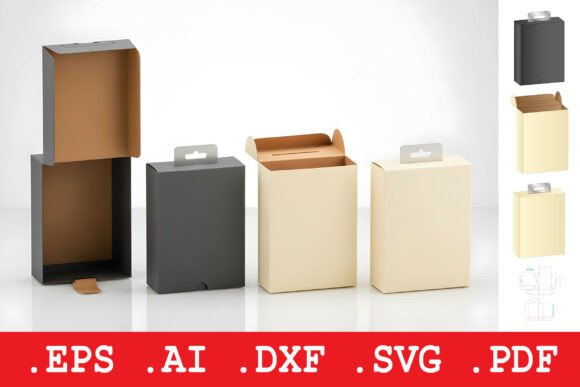
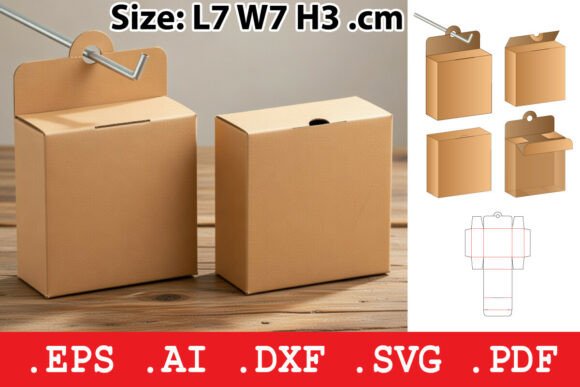
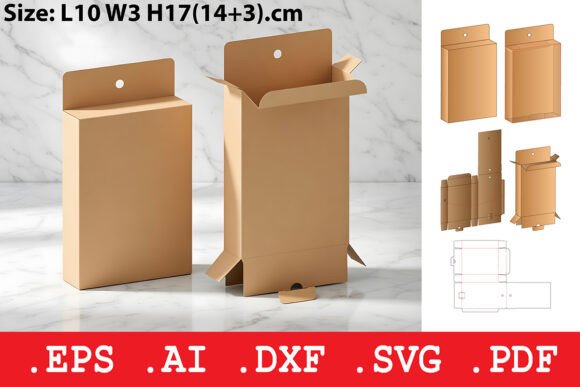
The concept here is specific: a packaging template designed for retail display. It features a reinforced header with a euro slot hole and a tuck-in closure with an auto-bottom base. At first glance, this might seem like a niche asset, strictly for graphic designers creating mockups. However, for the savvy Etsy seller, small shop product creator, or craft business owner, this embroidery project offers a unique opportunity to bridge the gap between digital presentation and tangible handmade goods. Let’s break down how this Graphics type asset performs when translated into physical embroidery.
First Impressions and Visual Personality
When you first load the Hanging Retail Display Box Template into your digitizing software, the layout strikes me as clean and structured. The visual personality is utilitarian yet charming. It doesn’t scream for attention with overly complex floral borders or dense fill stitches; instead, it relies on strong lines and clear geometry. This makes it incredibly versatile. The mood it creates is one of organization, professionalism, and boutique readiness.
I immediately thought about how this would look embroidered onto a fabric tag or a small patch intended to be attached to a larger item. The euro slot hole detail is particularly interesting. In a graphic context, it represents a hanging tab. In an embroidery context, it suggests a functional element—a place where ribbon or string can pass through. This transforms the design from a static image into a potential component of a larger assembly. It feels less like a decoration and more like a structural part of a handmade product. For creators who sell custom apparel or personalized gifts, this kind of thoughtful design detail signals to the buyer that care has been put into the entire experience, not just the main garment.
Real-World Application: From Screen to Stitch
To truly test this embroidery file, I needed a realistic use case. I decided to simulate a common scenario for many creative entrepreneurs: creating a branded packaging insert for a line of handmade baby items. Imagine you are selling embroidered baby bodysuits or nursery decor. You want the unboxing experience to feel premium. Instead of printing a paper hang-tag, you embroider a miniature version of this box template onto a sturdy cotton canvas strip.
The result was surprisingly effective. The satin stitch outlines provided crisp edges that remained legible even on a small scale. When I paired this with soft pastel threads against a cream-colored fabric, it looked cohesive with the rest of the baby embroidery collection. The auto-bottom base shape gave the little tag a sense of weight and substance. It didn’t flop around like a flimsy piece of felt; it held its shape. This stability is crucial for commercial embroidery where the finished product must look polished off the rack.
This approach also works beautifully for tote bag design accents. Rather than covering the entire bag with a large logo, placing a small, embroidered "display box" motif near the handle can serve as a subtle branding element. It hints at the retail nature of the item without being overtly salesy. It tells the customer, "This is something worth buying," before they even read the price tag. For digital product sellers offering printable mockup templates, having this design allows them to show clients exactly how their artwork will look when packaged, adding a layer of professionalism to their service offerings.
Technical Performance and Stitch Clarity
One of the biggest risks with geometric designs like this is that they can become muddy if the stitch density is too high or if the spacing is too tight. I reviewed the code structure carefully. The design uses a mix of running stitch for fine details and fill stitch for the solid blocks of the box structure. This balance is smart. It prevents the fabric from puckering while maintaining enough texture to make the design visible.
However, there are limitations. The euro slot hole is a negative space element. If your machine tension is slightly off, or if you are using a lower-quality thread, that hole can distort or close up. This is why testing on scrap fabric is non-negotiable. I found that using a cut-away stabilizer behind the main fabric helped maintain the integrity of the hole, ensuring it stayed open and functional. If you are attempting this on a stretchy knit fabric without proper stabilization, the tension changes during stitching could warp the rectangular shape of the box, ruining the clean aesthetic.
Another technical consideration is the contrast between thread colors and fabric texture. On a smooth, tightly woven cotton, the lines were razor-sharp. But when I tested it on a textured linen blend, some of the finer details got lost in the weave. This doesn’t mean the design is bad; it means you need to match the complexity of the embroidery project to the right material. For kitchen towel or apron applications, which often use smoother cotton blends, this design shines. For rustic, heavily textured home decor, it might lack the necessary punch.
Where to Use It Carefully
While this machine embroidery design is robust, it is not a universal fit. There are several scenarios where you should exercise caution:
- Small Hoop Sizes: If you are trying to cram this into a hoop smaller than 4x4 inches, you may lose the definition of the tuck-in closure. The details become microscopic and difficult to stitch accurately.
- Dense Stitch Areas: Avoid placing this design directly over seams, pockets, or other areas where multiple layers of fabric already exist. The added bulk from the fill stitch can create uncomfortable lumps, especially on custom apparel like sweatshirts or hoodies.
- Curved Surfaces: While it looks great flat, applying this to a curved surface like a cap or a rounded pillow corner can distort the perspective. The box might look skewed unless you are highly skilled in multi-hooping techniques.
- Frequent Washing: If this is part of a finished product that will undergo heavy laundering, such as workwear aprons, ensure the thread quality is top-tier. Lower-grade polyester threads might fray at the edges of the satin stitch over time, making the box look worn rather than vintage.
Impact on Brand and Customer Trust
In today’s market, aesthetics drive sales. A well-executed embroidered patch or branded tag elevates the perceived value of any item. Using the Hanging Retail Display Box Template allows you to create a consistent visual language across your design assets. When a customer sees a cohesive set of tags, labels, and decorative elements, they perceive the brand as established and trustworthy.
Furthermore, this design supports the trend of "packaging as product." Many buyers now consider the packaging part of the gift. By embroidering this template, you are creating a keepsake element. A customer might keep the embroidered tag long after the main item is gone, serving as a lasting advertisement for your craft business. This is a powerful tool for brand consistency and buyer engagement.
Final Designer Notes
Before incorporating this digital embroidery file into your commercial workflow, take these steps:
- Test Thoroughly: Always stitch a sample on the actual fabric you intend to use. Check for puckering, thread breaks, and alignment issues.
- Verify Licensing: Ensure you have the correct rights to use this design for commercial embroidery projects. Different licenses apply to personal gifts versus items sold on Etsy or at craft fairs.
- Check Compatibility: Confirm the file format matches your machine’s requirements. If the original source does not specify compatibility, reach out to the creator.
- Mockup First: Use black and white mockups to check contrast. Sometimes colors look good on screen but fail to pop in person.
The Hanging Retail Display Box Template is a smart, practical addition to any designer’s library. It bridges the gap between digital graphics and tactile embroidery, offering a unique way to enhance branding and packaging. Whether you are making holiday embroidery gifts or scaling up small shop product lines, this design provides a professional finish that customers appreciate. Just remember: the best designs are those that are tested, trusted, and tailored to the needs of both the maker and the wearer.