Hanging Tab Retail Display Box Embroidery Review
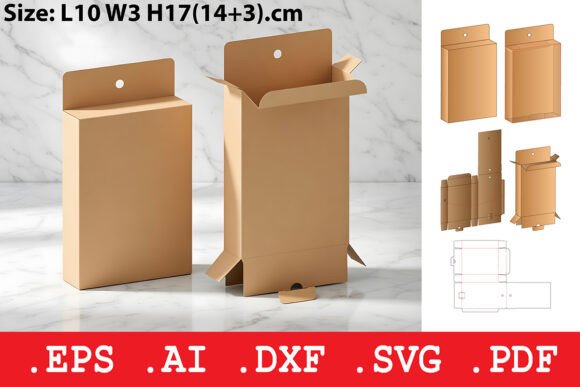
When I sit down to review a new digital asset, my first instinct is usually to look at the stitch count or file compatibility. But as an experienced designer who has spent years turning pixels into stitched reality for clients and craft fairs, I know that true value lies in how a design translates from screen to fabric. Today, I am evaluating the Hanging Tab Retail Display Box, a graphic asset categorized under Boxes Amp and Graphics. At first glance, it might seem like a simple packaging template, but when viewed through the lens of machine embroidery, it offers a unique opportunity for creative application.
First Impressions: The Visual Personality
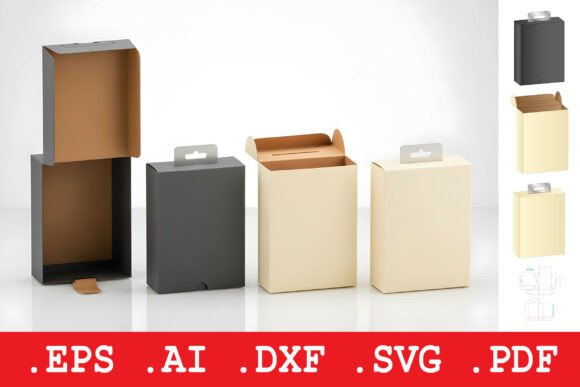
The Hanging Tab Retail Display Box immediately strikes me as structured yet approachable. The tall rectangular shape provides a clean canvas, while the integrated hanging tab adds a functional aesthetic that screams "retail-ready." In the world of handmade goods, presentation is half the battle. This design captures that professional vibe perfectly. It feels organized, tidy, and commercial without being sterile.
What stands out most is the layout’s potential for hierarchy. The tuck-top closure mentioned in the description suggests distinct sections that can be separated by color or stitch type. For an embroiderer, this means you aren't just stitching a blob; you are stitching architecture. The visual personality is one of utility and charm—a perfect fit for boutique branding where the product needs to look good even before it is opened.
Real-World Application: From Screen to Stitch
I recently had a client request a custom line of holiday gift sets for a local bakery. They wanted something that looked high-end but was easy to produce in bulk. This is where the Hanging Tab Retail Display Box came into play. Instead of printing the box design on paper, we decided to embroider the outline and key details onto sturdy cotton canvas tote bags intended to hold the gift boxes. The result was striking. The hanging tab element translated beautifully into a satin-stitched loop or a bold graphic accent on the bag’s handle area.
This design is not limited to bags, however. I see immense potential for use in custom apparel and accessories. Imagine a sweatshirt embroidery project where the main graphic is this box motif, perhaps filled with a soft fill stitch pattern that mimics tissue paper or wrapping material. It works exceptionally well for baby clothes as a modern take on traditional nursery themes, or as an embroidered patch for denim jackets aimed at young entrepreneurs.
For Etsy sellers and small shop owners, this design bridges the gap between digital product previews and physical merchandise. You can create printable mockups featuring this box design to sell as digital assets, or use the same vector source to cut applique shapes for physical products. The versatility here is what drives its value. It serves as both a decorative element and a structural guide for your finished product.
Performance in Different Embroidery Situations
When testing this design in real-life scenarios, certain projects shine brighter than others. Here is how the Hanging Tab Retail Display Box performs across various categories:
- Tote Bag Design: As mentioned, the rectangular shape aligns naturally with the flat surface of a tote. The hanging tab can be emphasized with contrasting thread colors to draw the eye.
- Sweatshirt Embroidery: On heavier fabrics, the crisp lines of the box design maintain their integrity. However, avoid placing it directly over seams or pockets unless you have reinforced the area properly.
- Embroidered Patch: The self-contained nature of the box makes it ideal for a patch. A dense border stitch around the perimeter ensures durability, while the internal details can be rendered in lighter stitches for contrast.
- Kitchen Towels and Aprons: The vertical orientation fits well on long kitchen towels. It adds a touch of whimsy to a functional item, making it a popular choice for wedding gifts or housewarming presents.
- Holiday Embroidery: During peak seasons, this design can be adapted with seasonal colors. Red and green threads on a white background transform the retail box into a festive package instantly.
However, not every project is a good fit. While the design is versatile, it requires careful consideration of scale. On very small items like caps or hats, the fine details of the tuck-top closure may get lost in the curve of the fabric. Similarly, on stretchy knits, the rigid geometric lines of the box might distort if the stabilizer support is insufficient.
Where to Use Caution
There are specific situations where the Hanging Tab Retail Display Box demands extra attention. First, consider small hoop sizes. If you are trying to fit the entire design into a 4x4 inch hoop, you will likely lose the subtleties of the graphic. Zooming in too much can make the lines appear jagged or overly thick. Second, be wary of textured fabrics like bouclé or heavy chenille. The intricate corners of the box might not register clearly, leading to a muddy finish.
Additionally, dark fabric requires thoughtful thread selection. If the design relies on negative space or thin running stitches to define the box edges, they may disappear against a black background. Always test these combinations. Furthermore, if you plan to wash the finished product frequently, such as a work apron, ensure that the stitch density is sufficient to prevent pilling or thread breakage over time.
Impact on Brand and Customer Perception
In the competitive landscape of handmade goods, professionalism is key. Using a clean, well-proportioned design like the Hanging Tab Retail Display Box signals to customers that you care about quality. It creates a sense of trust. When a buyer sees a neatly stitched, coherent graphic on a product, they assume the rest of the business operations are equally organized.
This design also enhances brand consistency. If you run a shop selling curated goods, having a signature embroidered motif—like this retail box—can become part of your brand identity. It becomes recognizable. Customers start to associate that specific shape and style with your label. This recognition drives repeat engagement and loyalty.
From a giftability standpoint, the design evokes the feeling of receiving a present. Even if the product itself isn't a gift, the imagery taps into that positive emotion. It makes the item feel special, wrapped, and ready to share. This psychological boost can increase the perceived value of your handmade product, allowing you to command a higher price point.
Practical Designer Notes for Implementation
Before committing to a full production run, I always recommend a rigorous testing phase. Here are my essential tips for working with this design:
- Test on Scrap Fabric: Never skip this step. Test the embroidery file on the exact fabric you plan to use. Check how the thread colors interact with the material.
- Check Stitch Density: Look closely at the satin stitch areas. Are they too dense? Too sparse? Adjust the settings if necessary to ensure a smooth finish.
- Confirm Hoop Size: Ensure your hoop is large enough to accommodate the design with adequate margin for stabilization.
- Inspect Small Details: Use a magnifying glass or zoom in on your screen to check the tiny elements. Can they be stitched cleanly? If not, simplify the design digitally before exporting.
- Use Proper Stabilizer: The stability of the final product depends heavily on the backing. For woven fabrics, a tear-away may suffice. For knits, a cut-away is non-negotiable.
- Review Licensing: Before selling any commercial embroidery items, double-check the license terms. Does the purchase allow for physical resale? Digital usage rights vary widely.
- Black and White Mockup: Convert the design to grayscale to check contrast levels. If the details vanish in monochrome, they may struggle in color on textured fabric.
Ultimately, the Hanging Tab Retail Display Box is more than just a graphic; it is a tool for elevating your craft. Whether you are creating a personalized gift for a friend or a small shop product for mass sale, this design offers a solid foundation for creativity. By paying attention to the nuances of execution—from stabilizer choice to thread contrast—you can transform a simple box concept into a stunning piece of wearable art or functional decor. Keep experimenting, stay realistic about limitations, and let the design guide your process.