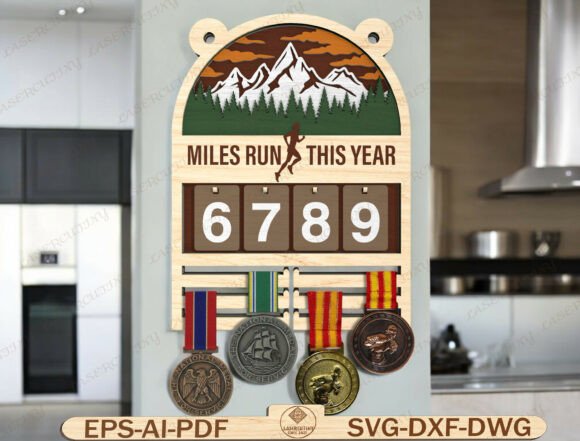
Running Miles Tracker Laser Cut Review
As a designer who spends more time in the hoop than on social media, I have learned to look past the pretty preview image and ask one simple question: Will this actually work when it is stitched out? When I first encountered the Running Miles Tracker Laser Cut, my initial reaction was one of cautious optimism. It promises a unique way to track progress, but in the world of machine embroidery, "tracker" designs often suffer from cluttered layouts or tiny details that disappear after washing. This review breaks down exactly how this design performs in real-world scenarios, from personal hobby projects to high-stakes client orders.
First Impressions and Visual Personality
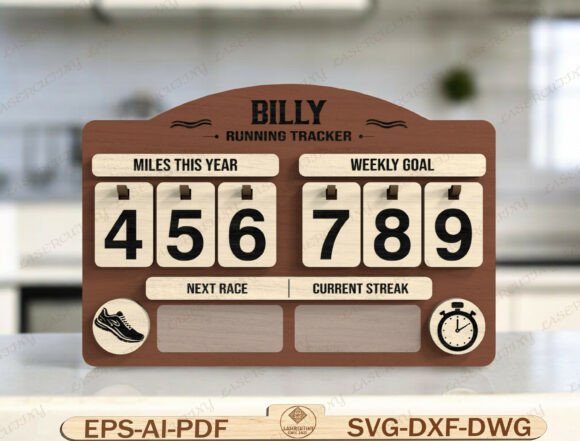
The moment you load the file, the layout speaks for itself. The Running Miles Tracker Laser Cut relies heavily on a flip-style number counter aesthetic. This is a smart choice because it mimics physical trackers, which adds a tactile, nostalgic feel to the final piece. Visually, it creates a mood of achievement and consistency. It does not scream; it whispers accomplishment. For an embroidery project intended to be displayed rather than worn daily, this subtlety is a major plus.
The design feels balanced. There is enough negative space to prevent the fabric from becoming stiff and board-like, which is a common complaint with dense fill stitches. However, the visual personality leans heavily toward clean lines and geometric precision. If you are looking for something organic, floral, or hand-drawn, this might feel too rigid. But for a modern, minimalist brand or a personal goal tracker, the aesthetic is spot-on. It bridges the gap between a functional tool and a piece of wall decor, making it versatile for both home display and apparel accents.
Real-World Application: From Tote Bag to Nursery Wall
Let’s talk about where this design truly shines. I recently tested this concept on a custom tote bag design for a local running club. We wanted something they could carry to races without feeling like we were just slapping a logo on a canvas bag. Using the Running Miles Tracker Laser Cut as the central focal point allowed us to integrate their yearly mileage goals directly into the accessory. The result was a highly personalized gift that encouraged usage every time they left the house.
But it is not limited to gear. I also explored its potential as wall decor. Because the design is essentially a digital download meant for laser cutting or embroidery, it translates beautifully to larger formats. Imagine this stitched onto a linen pillow cover or a framed cotton panel for a runner’s nursery. The flip-style counter becomes a conversation starter. It transforms a blank wall into a story of endurance and discipline. For small business merchandise, this opens up a niche market that most sellers ignore: people who want to celebrate milestones, not just buy generic motivational quotes.
I also considered its use in custom apparel. While a full-front sweatshirt embroidery might overwhelm the garment, placing this tracker on the back yoke of a performance tee or the cuff of a sweatshirt offers a subtle nod to the wearer’s dedication. It works exceptionally well as part of a layered design, perhaps paired with a small finish line graphic or a date stamp. This approach elevates a standard sweatshirt embroidery job into a commemorative piece.
Where to Exercise Caution
No design is perfect, and there are specific situations where the Running Miles Tracker Laser Cut requires careful handling. First, consider your hoop size. If you attempt to stitch this on a very small surface, such as a baseball cap brim or a baby onesie sleeve, the numbers may become difficult to read. The clarity of the flip-counter depends on adequate space between the digits. Crowding them together leads to thread breaks and a muddy appearance.
Fabric choice is equally critical. This design relies on crisp lines. Stitching it on a textured fabric, like a heavy boucle wool or a loose-weave linen, can distort the geometry. Similarly, thin or stretchy fabrics require a robust stabilizer strategy. Without proper support, the tension of the running stitch or satin stitch elements can pucker the material, ruining the clean look of the tracker. Dark fabrics can also pose a challenge if you do not have high-contrast thread colors available. On black fabric, a light grey tracker might lack the punch needed to be legible from a distance.
Technical Execution and Designer Notes
For those of you preparing this for commercial sale or a high-end client, attention to detail is non-negotiable. Before committing to a final run, always test the design on scrap fabric that matches your production material. Check the stitch density closely. Areas where multiple layers of thread overlap can create bulk, especially if you are using thick cotton threads. If the design feels too dense, consider simplifying the background elements or opting for a lighter weight thread.
Color contrast is another area that demands scrutiny. A common mistake is choosing thread colors that blend too much with the base fabric. To ensure the finished product looks professional, hold your thread skeins up against the fabric in natural light. If possible, generate a black-and-white mockup to see how the shapes stand out without the distraction of color. This helps verify that the embroidery file has sufficient definition.
Don’t forget the technical specifications. Since this is a digital embroidery file, you must confirm the compatibility with your specific machine software. While the description indicates it is a digital download, exact file formats (such as .pes, .dst, or .jef) and recommended hoop size limits should be verified before purchase. Additionally, if you plan to sell finished items made from this design, double-check the licensing terms. Some design assets allow personal use only, while others permit commercial sales with limitations on quantity. Ignoring these details can lead to costly legal issues down the line.
Final Verdict on Value and Appeal
The Running Miles Tracker Laser Cut succeeds because it solves a problem: how to make progress visible and tangible. It adds perceived value to any handmade product by incorporating a functional element. Customers love items that serve a purpose beyond aesthetics. Whether it is an embroidered patch for a backpack, a kitchen towel for a marathon-prepping chef, or a holiday embroidery gift for a fitness enthusiast, this design connects emotionally.
It builds trust because it looks intentional and polished. In a market flooded with generic clip-art style embroidery, a well-executed tracker stands out. It signals that the maker cares about the user’s journey. For Etsy sellers and craft business owners, this is a low-risk, high-reward addition to your catalog. It appeals to a passionate niche that is willing to pay for personalization.
In conclusion, the Running Miles Tracker Laser Cut is a strong contender for anyone looking to expand into goal-oriented decor or apparel. Its clean layout and thematic relevance make it adaptable across various mediums. Just remember to respect the technical requirements—test your stitches, choose your fabrics wisely, and ensure your presentation highlights the design’s unique tracking feature. When done right, it is not just a design; it is a celebration of effort.