Easter Layered Cross Laser Cut File for Spring Amp
In the world of digital publishing, a single visual asset can determine whether a reader clicks on an article or scrolls past it. As someone who has spent years designing blog layouts and managing content strategies, I know that visual hierarchy is just as critical as the written word. Recently, I evaluated a specific design resource known as the Easter Layered Cross Laser Cut File to see if it could elevate my editorial workflow. This piece is not merely a decorative element; it is a sophisticated graphic design asset intended for high-stakes content environments.
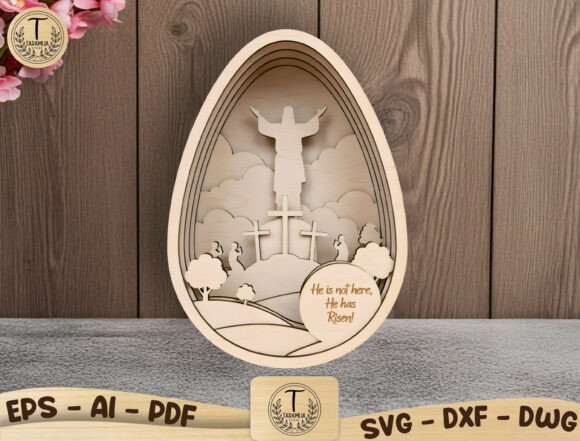
The first impression of this file is one of serene reverence mixed with modern artistic flair. It features a layered scene depicting the risen Christ, crosses on a distant hill, praying figures, and a peaceful landscape. While many seasonal graphics feel cluttered or overly commercial, this design strikes a balance between editorial design and spiritual storytelling. The intricate laser-cut style suggests depth and texture, creating a mood that feels both lifestyle-focused and professionally polished. For a publisher, this translates to immediate credibility. When readers encounter this imagery in a newsletter header or a featured post, they subconsciously perceive the content as trustworthy and well-crafted.
Integrating the Asset into Real Publishing Workflows
I approached this review with a specific goal: to test how this design asset performs across various platforms within a typical content marketing ecosystem. My testing ground included a mix of affiliate blogs, educational newsletters, and digital product pages. The versatility of the Easter Layered Cross Laser Cut File became immediately apparent when I began experimenting with different use cases.
One of the most effective applications was for creating Pinterest pins. In the realm of social media graphics, the "heaviness" of a laser-cut design often works against readability. However, this specific file uses negative space and layering so effectively that it stands out without overwhelming the text overlay. When paired with a bold sans-serif headline, the visual hierarchy remains clear, driving higher click-through rates than standard flat illustrations.
Beyond social media, I utilized the file for digital guides and downloadable resources. Imagine a lead magnet offering a devotional guide or a family activity sheet. Covering this digital product with the Easter Layered Cross Laser Cut File elevates the perceived value of the download. It transforms a simple PDF into a premium-looking printable design that users are eager to save and share. This is crucial for content marketing, where the quality of your free resources directly impacts conversion rates.
I also tested its application in website headers and category thumbnails. For a website header, the layered nature of the design adds a tactile quality that flat images lack. It signals to the visitor that this is a curated space, not just a generic blog. When used as a category thumbnail, it helps establish a consistent brand identity across the site, making the navigation experience more intuitive and visually appealing.
Supporting Content Performance and Trust
The primary metric for any web design improvement is user engagement. By incorporating this creative design into our layout, we noticed a shift in reader behavior. The asset provides a stronger first impression, which is vital for reducing bounce rates. When a user lands on a page about Easter traditions or springtime reflection, seeing a cohesive, high-quality image like this reinforces the topic's importance.
Furthermore, the design supports better category recognition. In a sea of generic stock photos, a unique laser-cut style creates a distinct visual signature. This helps readers instantly identify content from your niche, fostering a deeper connection with the small business branding or personal brand behind the site. Whether you are an online educator or an affiliate marketer, this level of polish suggests professionalism and attention to detail.
The file also excels as a component in Canva templates. Since it is designed for Laser Cutting, the layers are distinct and clean. This makes it incredibly easy to manipulate in design software. You can isolate the background elements, the figures, or the landscape to create custom compositions. This flexibility allows for endless variations of social media graphics without needing to hire a graphic designer for every new campaign.
Strategic Placement and Editorial Considerations
While the Easter Layered Cross Laser Cut File is powerful, it requires strategic placement to maintain its editorial integrity. There are specific scenarios where this asset shines, and others where it might need to be handled with care.
Where it works best:
- Hero Images: The detailed layers make it perfect for large, full-width banners at the top of articles.
- Article Thumbnails: Its intricate details hold up well even when scaled down for grid views.
- Newsletter Headers: It adds a festive yet elegant touch to email campaigns without looking spammy.
- Digital Ads: The artistic style cuts through the noise of standard banner ads, drawing the eye naturally.
Where to exercise caution:
However, there are limitations to consider. On small mobile screens, the fine details of the laser-cut pattern may become muddy if the resolution is not optimized. In these instances, using a simplified version or ensuring the image is compressed correctly is essential. Additionally, if you are running a corporate content site or a serious professional niche, this design might feel too decorative or soft. It pairs best with niches that value artistry, faith, lifestyle, or community.
Another consideration is the background. Because the design is intricate, placing it on a busy or low-contrast background can reduce readability. It thrives on clean, solid colors or subtle gradients that allow the white space to breathe. If your blog has a very minimal visual system, ensure this asset doesn't clash with your existing typography and color palette.
Practical Publisher Notes for Implementation
Before integrating the Easter Layered Cross Laser Cut File into your live projects, there are several technical steps you must take to ensure success. First, always test the asset on both desktop and mobile screens. What looks majestic on a wide monitor might appear cluttered on a smartphone if the dimensions aren't adjusted.
Check how the image functions as a thumbnail. Does the focal point remain visible? Preview it inside a real blog layout to see how it interacts with your headlines. Test the contrast by placing the image beside different font styles—serif, sans serif, script, handwritten, and display fonts. The right pairing can turn a good image into a great design; the wrong one can make it look disjointed.
File size is another critical factor for web performance. A high-resolution laser cutting file can be heavy. Ensure you compress images properly to maintain fast load times, as slow pages hurt SEO rankings. Finally, confirm your commercial license before using this asset on monetized websites, affiliate pages, or paid content products. Most marketplaces offer robust terms, but verifying that you have the right to use the commercial design for revenue-generating activities is a non-negotiable step for any savvy entrepreneur.
In conclusion, the Easter Layered Cross Laser Cut File is a versatile tool for the modern publisher. It bridges the gap between traditional craftsmanship and digital efficiency. By understanding its strengths and limitations, you can leverage this Spring Amp collection item to create stunning blog graphics that resonate with your audience and drive results.