Easter Bunny Shelf Sitter Laser Cut File Review
As a designer who spends more time looking at stitch density and fabric tension than scrolling through social media feeds, I approach every new design file with a mix of curiosity and skepticism. The market is flooded with generic clip art disguised as embroidery patterns, so finding something that actually translates well from screen to hoop is rare. Recently, I evaluated the Easter Bunny Shelf Sitter Laser Cut File, and it immediately caught my attention not just for its seasonal relevance, but for its structural integrity and charm. This isn’t just another bunny outline; it’s a character-driven piece that demands thoughtful execution.
First Impressions: Character Over Clutter
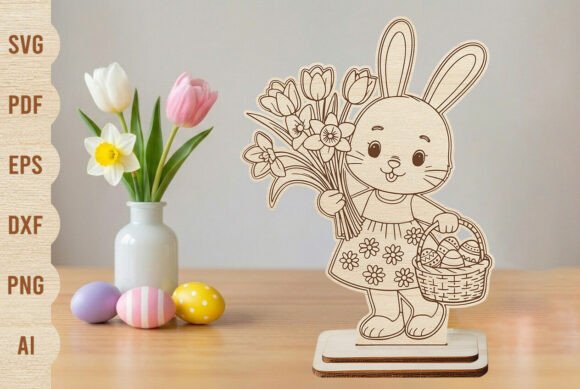
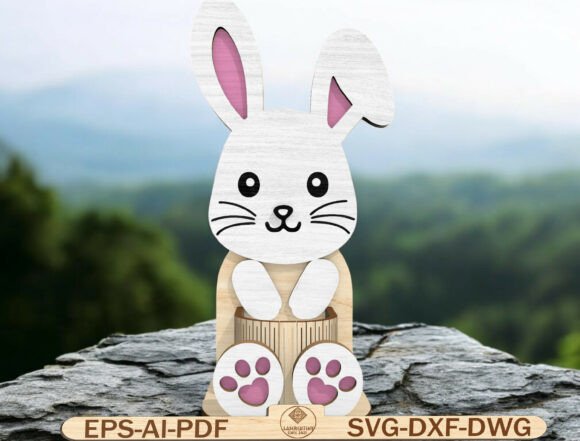
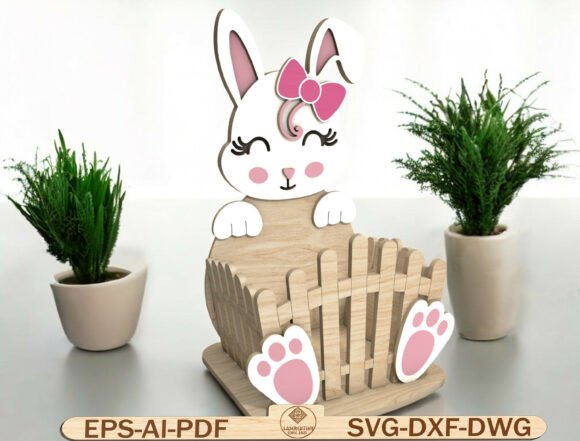
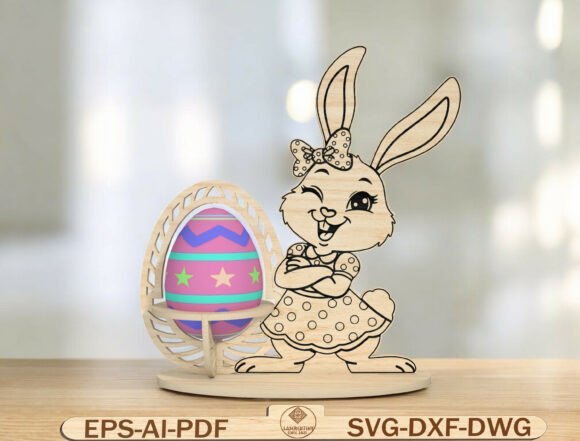
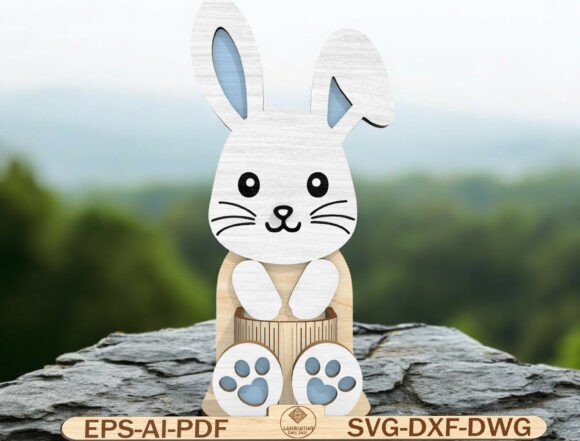
The moment you open the file, the personality shines through. Unlike rigid, symmetrical designs that feel cold or corporate, this machine embroidery design features a sweet sitting rabbit with one floppy ear and oversized paws. That asymmetry is crucial. In embroidery, perfect symmetry can sometimes look stiff, whereas the slight tilt of the ear adds a layer of whimsy that resonates with customers. It feels approachable, soft, and inherently "handmade," which is exactly what buyers are seeking in today’s market.
The theme fits perfectly into the Spring Amp category, evoking feelings of renewal and gentle celebration. However, the true value lies in the layout. The composition is balanced enough to work as a standalone focal point on a garment or home decor item without needing excessive surrounding text or filler elements. For an Etsy seller or small shop product creator, this means less decision fatigue when creating listings. You don’t need to overcomplicate the presentation; the design speaks for itself.
Real-World Application: From Tote Bags to Nursery Decor
I put this embroidery file through its paces by visualizing it across several potential embroidery projects. The most immediate use case that came to mind was a custom embroidered tote bag design. Imagine a natural canvas tote with the bunny centered, perhaps in a soft pastel thread palette. The oversized paws provide a nice anchor for the design, making it substantial enough to hold visual weight on a large surface area.
However, the versatility extends far beyond bags. This design excels in sweatshirt embroidery for children or casual wear. The chunky, cute aesthetic works beautifully on fleece or cotton blends. I also see strong potential in baby embroidery items like muslin blankets or burp cloths. Parents are often looking for items that feel personal and tender, and the "shelf sitter" concept implies a stationary, comforting presence that fits that emotional niche perfectly.
For those selling commercial embroidery goods, consider the embroidered patch angle. If digitized correctly, this could be a standout accessory for denim jackets or beanies. Additionally, it translates well to home decor such as pillow covers or kitchen towels. A tea towel featuring this bunny could easily become a bestseller during the Easter season, offering high perceived value for a relatively simple stitch job.
Technical Considerations and Fabric Choices
While the design is charming, no digitizer should assume success without testing. The effectiveness of this design asset relies heavily on your choice of materials. When working with textured fabrics, such as heavy linen or terry cloth, the fine details of the floppy ear might get lost. In these cases, using a proper stabilizer is non-negotiable to ensure the stitches sit cleanly on top of the weave rather than sinking in.
Conversely, on smooth fabrics like twill for caps or tightly woven cotton for aprons, the design will likely pop with excellent clarity. One critical note regarding fabric texture: if you are embroidering on dark fabrics, thread color contrast becomes paramount. A standard black outline might disappear against a navy background, so planning your thread colors early is essential. I recommend running a quick test in black and white mockups to check the silhouette before committing to expensive specialty threads.
Be cautious with small hoop sizes. While the bunny is compact, cramming it into a tiny frame can distort the proportions, especially the oversized paws. Ensure your hoop size allows the design to breathe. If you are attempting this on stretchy fabrics like jersey knit, extra care must be taken to prevent puckering, which can ruin the clean lines of the satin stitch areas.
Stitch Density and Detail Work
The design likely utilizes a mix of fill stitches for the body and satin stitches for outlines or specific features. As a reviewer, I always advise checking the stitch density. If the density is too high, the fabric may pucker; if too low, the stabilizer might show through. Since this is a laser cut file intended for various outputs, verify that the vector paths translate smoothly into stitch paths. The transition between the floppy ear and the head needs to be seamless to maintain that adorable, slightly messy charm.
Also, inspect the small details. Does the eye have enough definition? Are the paw pads distinct? These micro-details are what separate a professional-looking finished product from a amateur attempt. If the detail is too fine for your machine’s capabilities, you may need to simplify the digitization slightly or accept a softer, more abstract look.
Business Implications and Customer Appeal
From a business perspective, the Easter Bunny Shelf Sitter Laser Cut File offers high giftability. Personalized gifts are a massive driver in the handmade economy. Adding a name or date to a project featuring this bunny increases its perceived value significantly. Customers trust designs that look intentional and polished, and this file provides a strong foundation for building that trust.
It also supports brand consistency for boutique branding. If your shop focuses on cute, rustic, or modern farmhouse aesthetics, this design aligns naturally. It doesn’t feel out of place next to other spring-themed assets. For digital product sellers, this file can serve as a core element in printable mockups or design bundles, allowing you to reach a wider audience of crafters who want to create their own custom apparel.
Final Verdict and Best Practices
Before integrating this into your production line, remember to test the design on scrap fabric first. Check how the applique design elements (if applicable) lay flat. Confirm whether the design works for both personal and commercial projects by reviewing the licensing terms provided by the creator. Never assume rights; always verify before selling finished items or digital products.
In summary, this is a versatile, emotionally resonant design that balances cuteness with structural viability. It avoids the trap of being overly complex while retaining enough character to stand out in a crowded marketplace. Whether you are creating a one-off personalized gift for a client or mass-producing craft business inventory, the Easter Bunny Shelf Sitter offers a reliable path to a beautiful finished product. Just respect the fabric, plan your threads, and let the design’s natural charm do the heavy lifting.